Estimated Read Time: 4 ½ minutes Summary: Can dogs have soy? Learn whether dogs can eat soy, soy sauce or soy milk and whether soy is good for dogs in this blog… Soy is derived from the soybean (or soya bean) and is a species of legume. This legume originates in East Asia and is popular […]

Can Dogs Eat Soy?
Published by
Mar 06, 2025
Updated Mar 06, 2025
4 min read·Updated: Mar 06, 2025

Estimated Read Time: 4 ½ minutes
Summary: Can dogs have soy? Learn whether dogs can eat soy, soy sauce or soy milk and whether soy is good for dogs in this blog…
Soy is derived from the soybean (or soya bean) and is a species of legume. This legume originates in East Asia and is popular worldwide because it’s a source of protein that isn’t derived from an animal. Soy is used to make soy milk, soy vegetable oil and tofu, and fermented soy is used to make things like soy sauce and tempeh. Vegetarians and vegans, as well as meat eaters can and do enjoy soy products.
Soy also has nutritional benefits like its high mineral content, B vitamin load and the fact it’s a good source of fibre, potassium and contains a good concentration of essential acids; fatty, amino, folic and phytic. It’s also used frequently in affordable animal feeds… So, does that mean dogs can eat soy?

Can Dogs Eat Soy?
For the most part, yes. Dogs can eat soy but not in excessive, frequent amounts. It’s also worth noting that some dogs can be sensitive to soy, so may need to avoid dog foods that contain soy and having human soy products shared with them.
Signs of soy sensitivity in dogs can include:
- Repetitive, obsessive licking
- Loss of hair
- Diarrhoea
- Vomiting
- Frequent ear infections
Some brands and people tout that soy being used in commercial dog food is a cheap replacement from meat, and that it’s totally inadequate when compared to animal-derived protein… But, that isn’t the case. Yes, some animal proteins are easier for a dog to digest but on the flip side there are some animal proteins that aren’t as good for a dog as soy is either. The protein quality is still respectable in soy.
However, that said, it’s important to stress again that soy in high quantities or in certain products isn’t all that great for a dog…
Can Dogs Eat Soy Sauce?
Under no circumstances should a dog eat soy sauce – not because of the soy, but the fact that soy sauce is far too high in sodium (salt). Too much salt can make a dog unwell, so it’s important to avoid your dog ingesting soy sauce.
Can Dogs Eat Tofu?
While tofu (made from soy and also known as soybean curd) is technically not toxic for a dog, it’s not recommended that you allow your dog to eat too much tofu as it may put your dog at risk of bloat if they consume too much of it – and bloat can prove fatal for dogs. The occasional, tiny bite of unseasoned tofu won’t harm them though.
Can Dogs Eat Soybeans?
Yes, dogs can eat soybeans as long as they’re plain and unseasoned, and only served to them in small portions. Soybeans aren’t toxic to a dog. The same goes for edamame beans (immature soybeans). However, too much of either may result in gastrointestinal discomfort for any dog, so they should be regarded as occasional treat food.
Can Dogs Have Soy Milk?
Soy milk, in even moderate quantities, is not thought to be toxic to dogs and relatively easy for a dog’s body to digest. So, yes, dogs can have soy milk.
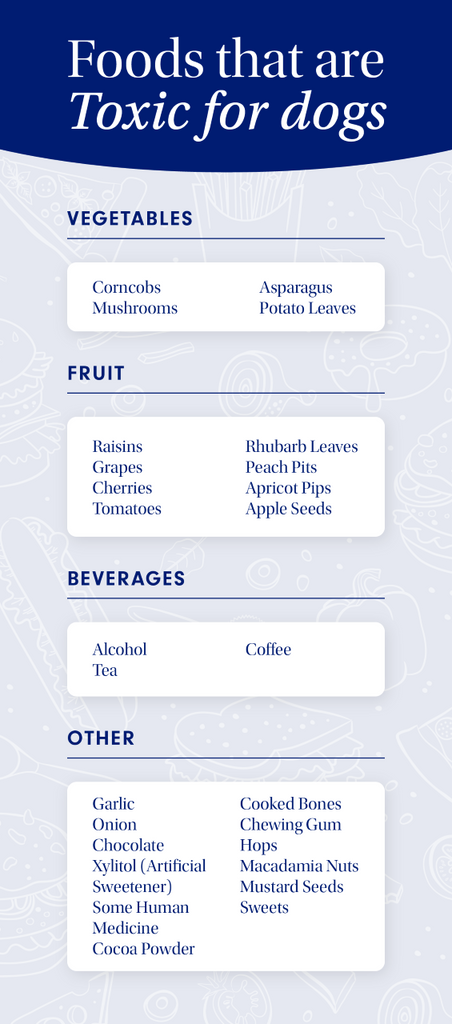
If you’re after a comprehensive list of what foods are toxic to dogs, check out our guide below:
Sources
“Soybean” Wikipedia https://en.wikipedia.org/wiki/Soybean
Author Ollila, Erin “Can Dogs Eat Soy (And How Safe Is It?)” Hill’s Pet, Apr 30. 2021 https://www.hillspet.com/dog-care/nutrition-feeding/can-dogs-eat-soy
“Can My Dog Eat Soy?” Rover https://www.rover.com/blog/can-my-dog-eat-soy/
“Can Dogs Eat Soybeans?” Kidadl, Oct 24. 2021 https://kidadl.com/facts/can-dogs-eat-soybeans-everything-you-need-to-know
 B
BWritten by
Becca Trigg
Becca Trigg is a content creator and pet-industry writer, with over 5 years of experience at PetLab Co. She is an all round animal lover, with a keen interest in canine joint health, dental hygiene and nutrition. When she’s not typing away in the office, she can be found sitting in a country pub, growing chillies or cuddling up with her family dog Maggie, a chocolate Labrador.Stay up to date
Get notified when I publish something new, and unsubscribe at any time.


